
This fall, students from Aichi University of the Arts and Music, one of the top art schools in Japan, worked on a project of “Planning UX using XPAND Code” (Associate Professor Mori in charge).
We provided advance access to the “XPAND Code Academic Version” (coming soon).
Our founder, Nanmoku, also joined the presentation online and shared feedback on the work.
Below are condensed versions of the students’ excellent work, full of fresh perspectives.
If you would like to see a full version of any plan, or are interested in applying it to your business, please contact Associate Professor Mori.
*For the purposes of this project as a teaching exercise, the usual customisation restrictions on XPAND Code were relaxed.
Mako TAMAMURA
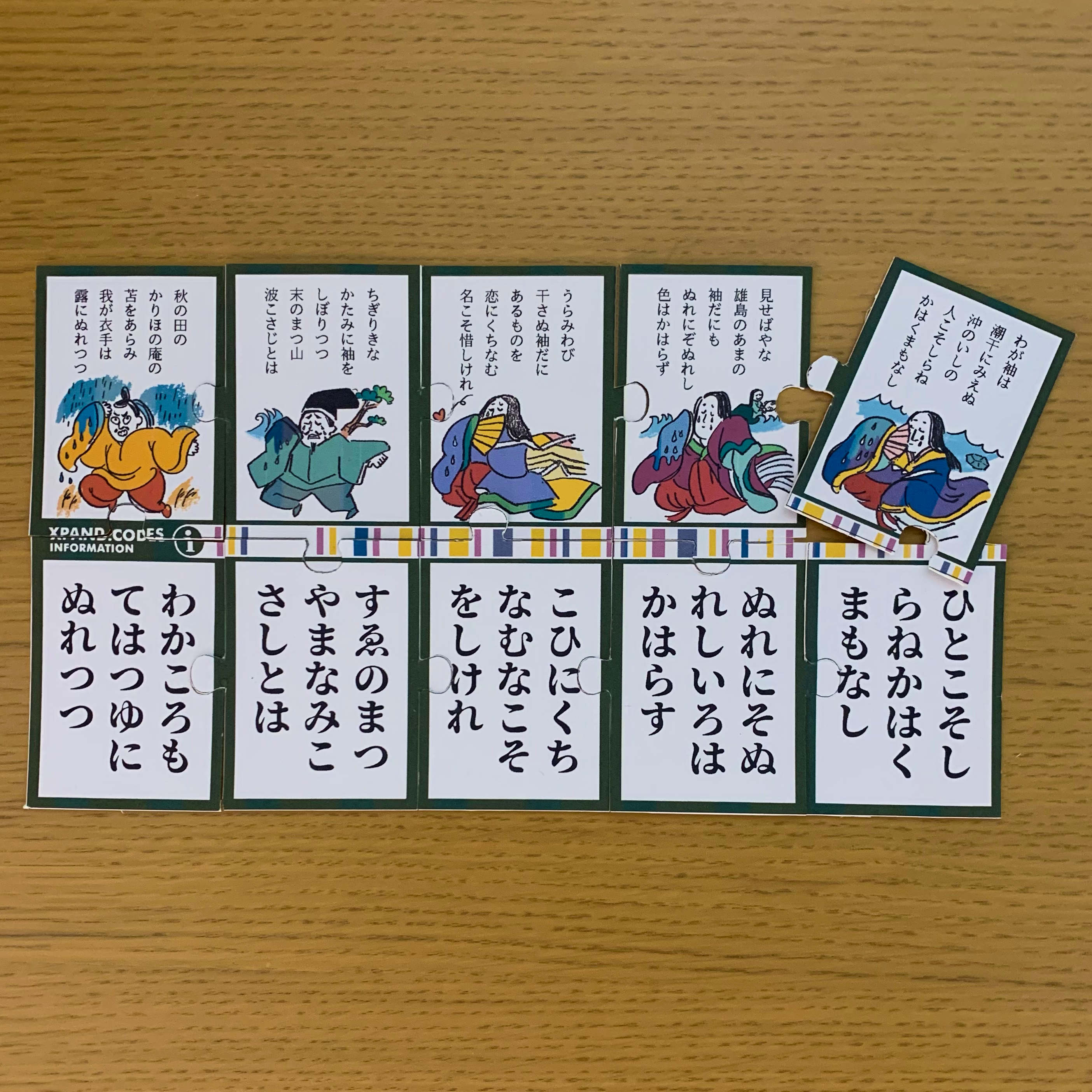
“Hyakunin Issho” is a new puzzle concept that lets you discover the meaning of classical Japanese poems by scanning the XPAND Code.
Kenya NOGI
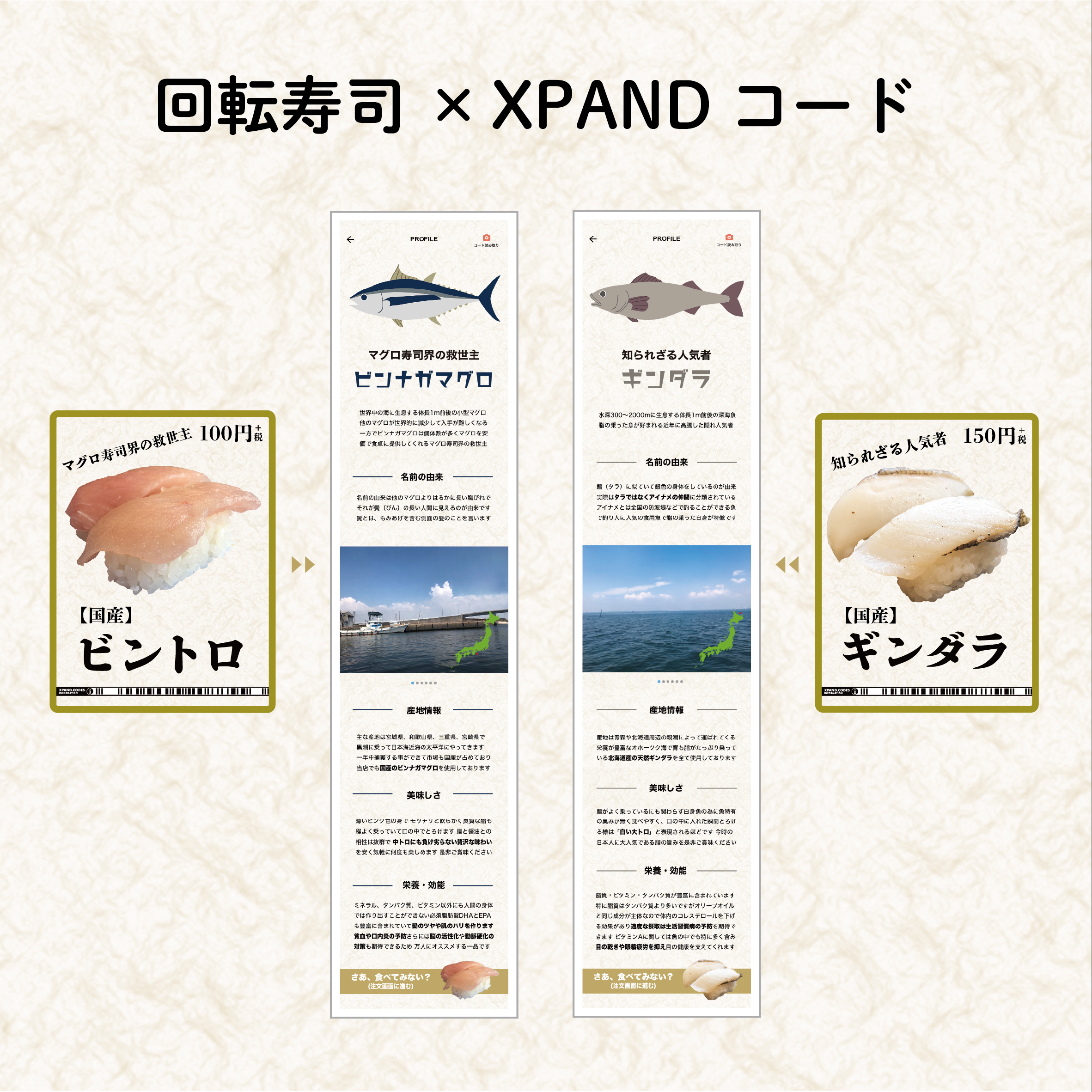
At conveyor belt sushi restaurants, signage is used alongside the sushi itself to promote dishes. By placing XPAND Codes on those signs, customers can be directed to a web page with useful information — such as the origin of the ingredients or the health benefits of each fish. Learning more about the fish in detail encourages customers to be adventurous and try dishes they might otherwise have hesitated to order.
Miku SHINOHARA

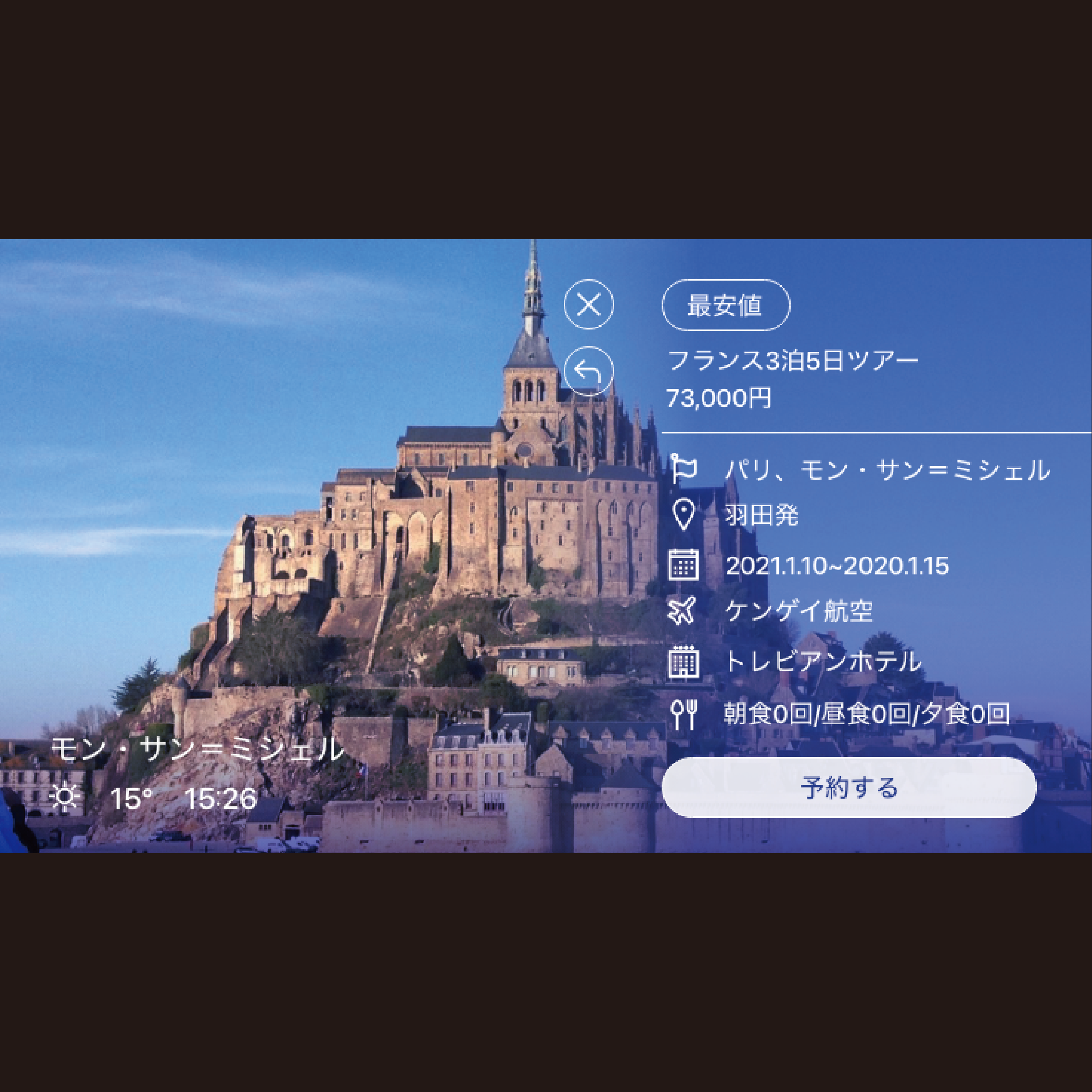
Scanning the XPAND Code placed in a photo-only travel book triggers a live feed from a fixed camera at that very location. You can book a trip at the best available price from wherever you are, while immersing yourself in the atmosphere of the destination.
Aoi TAKANO


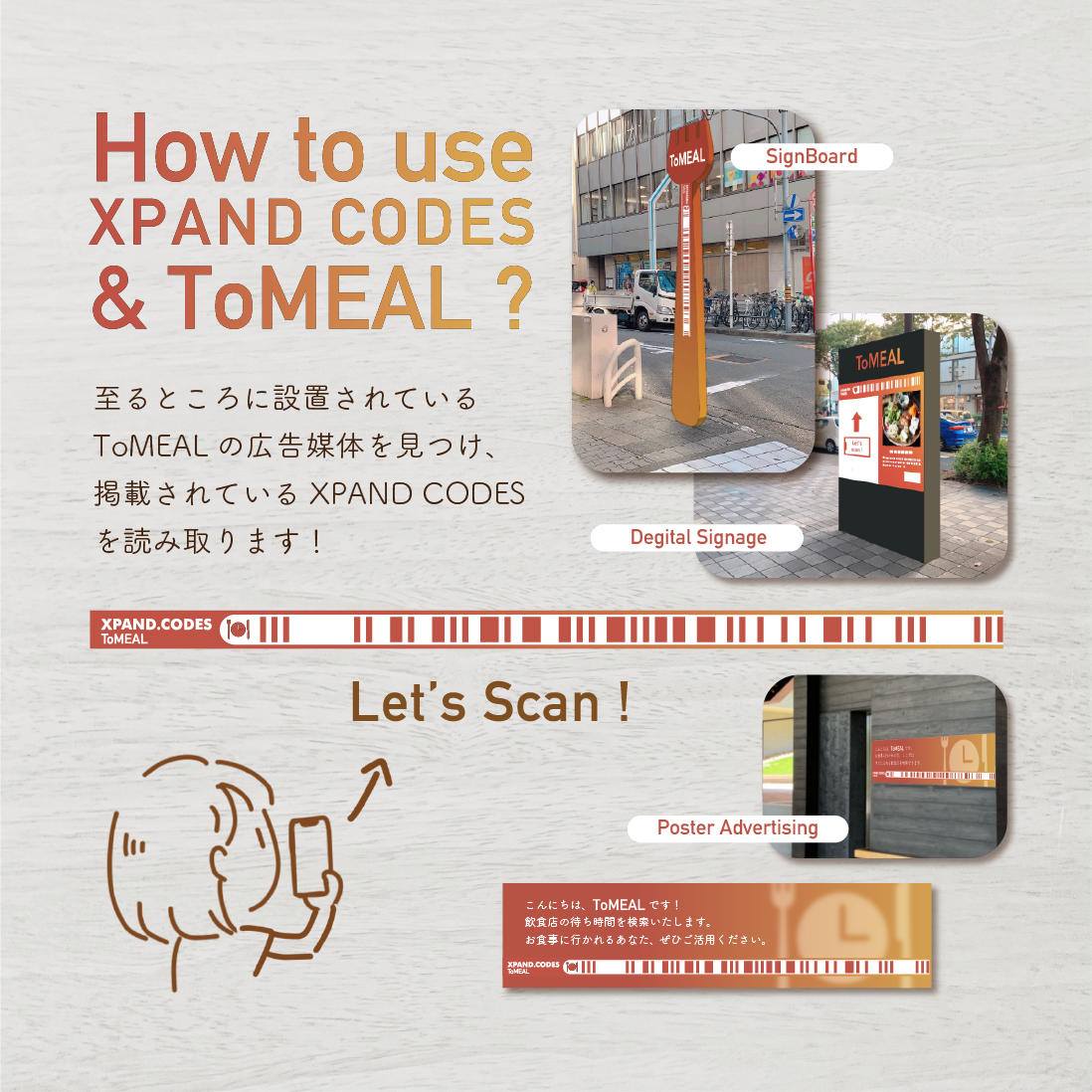
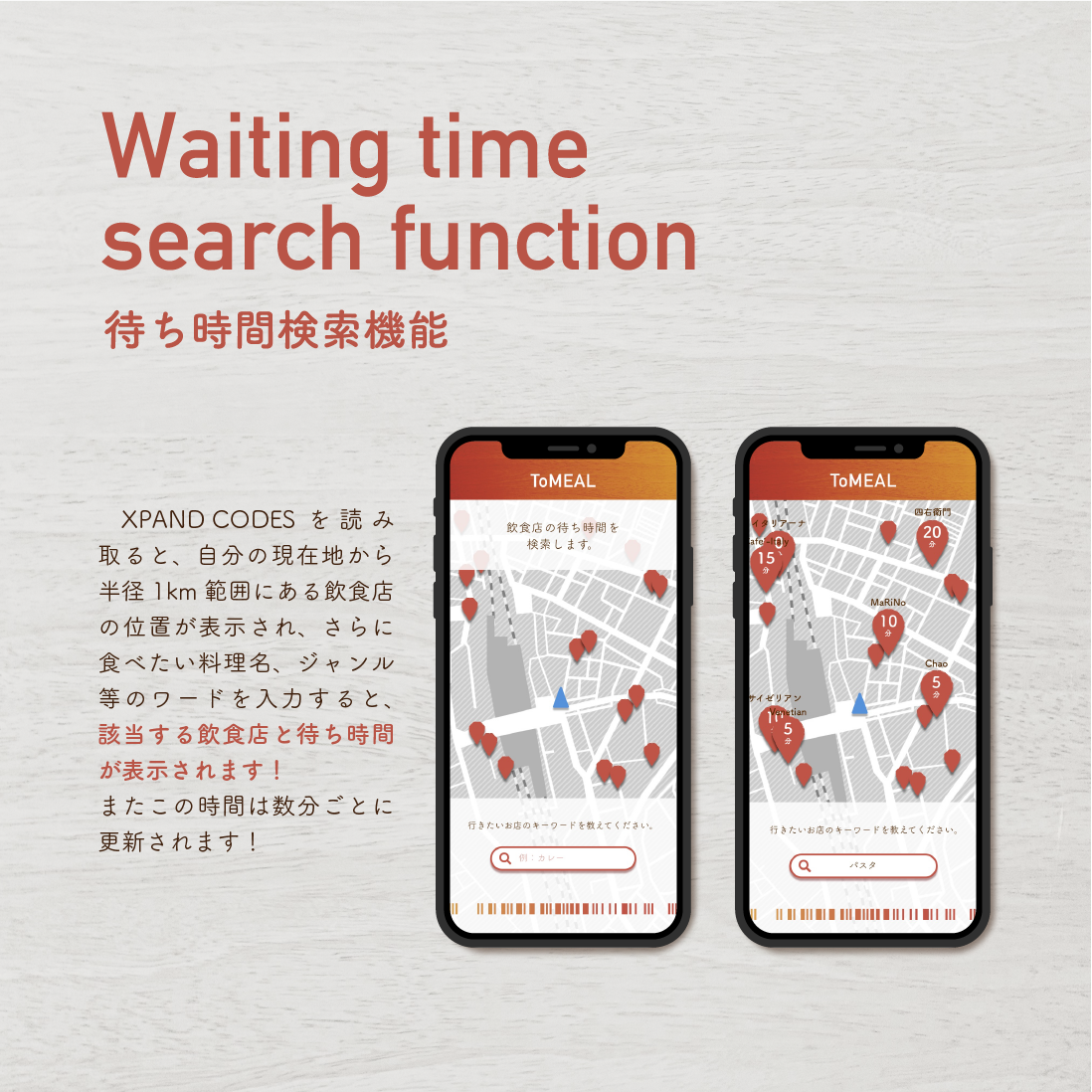
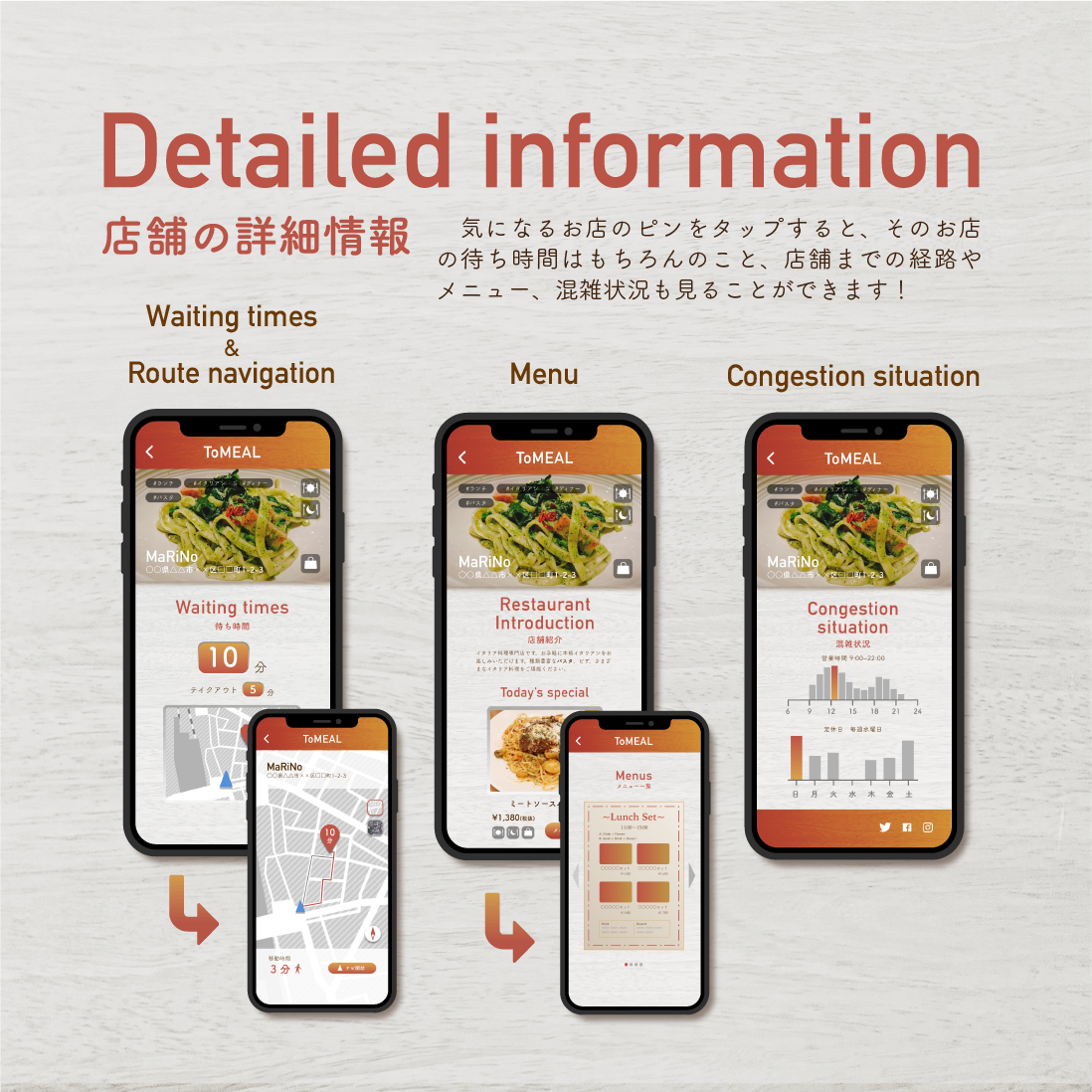
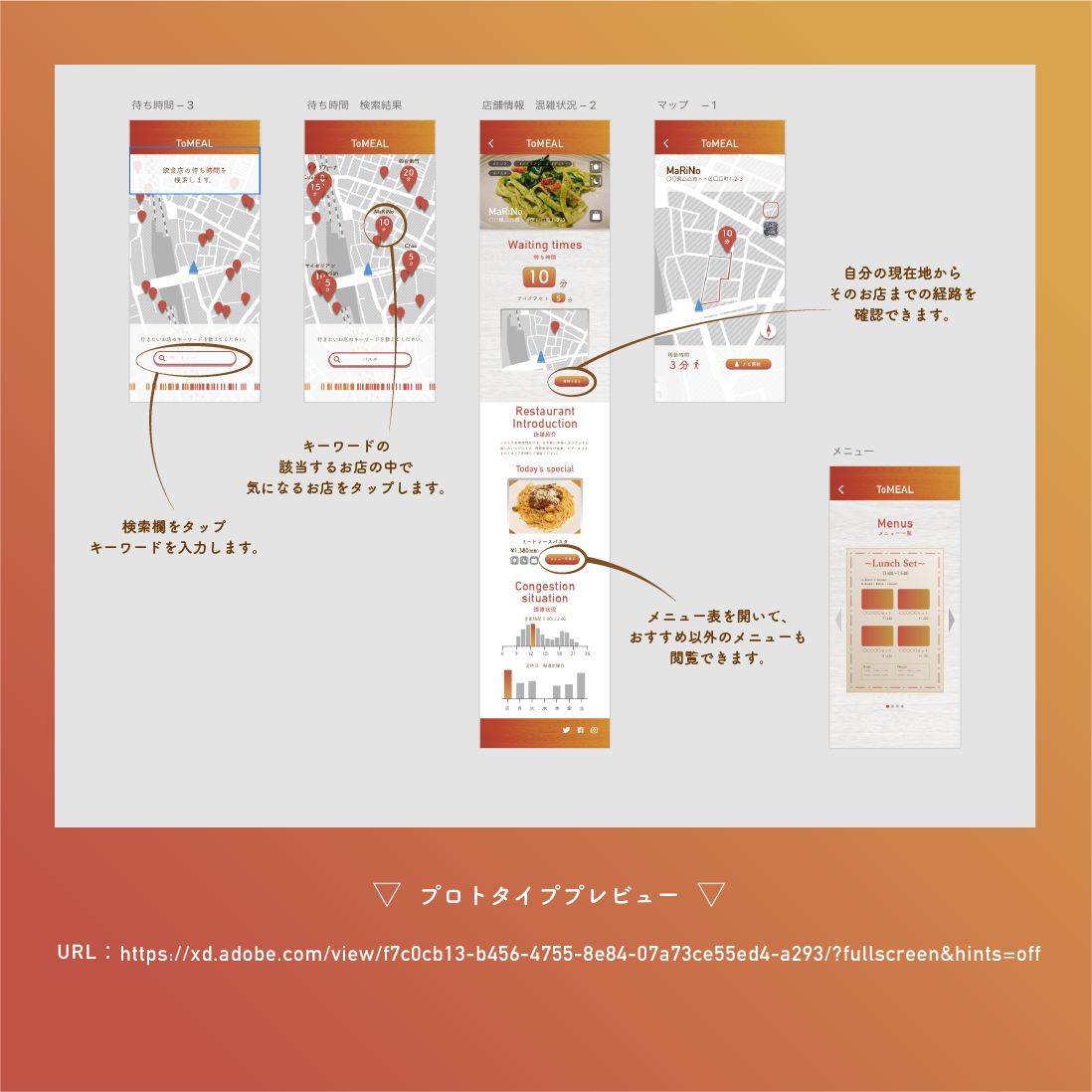
Fuuka MINAGAWA
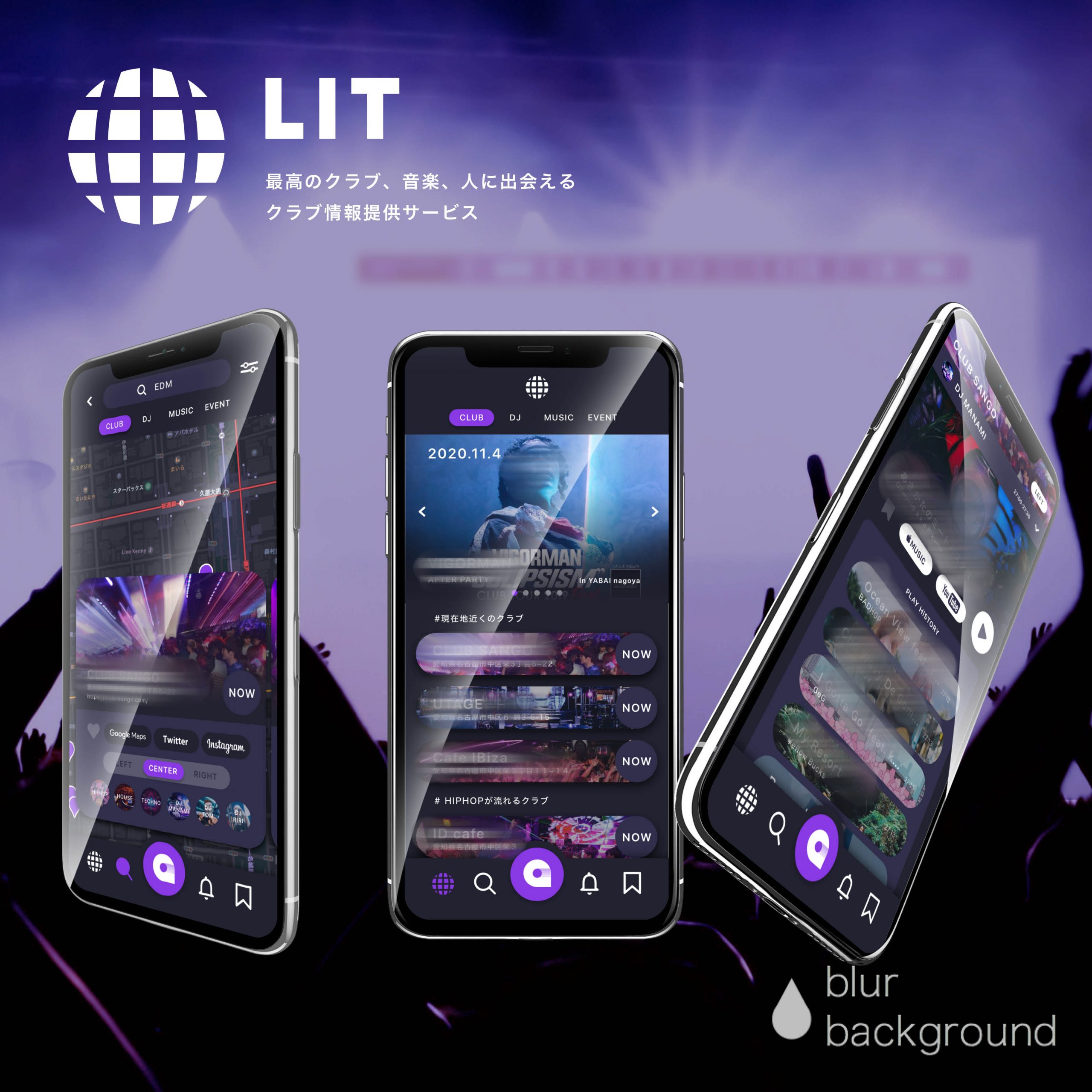
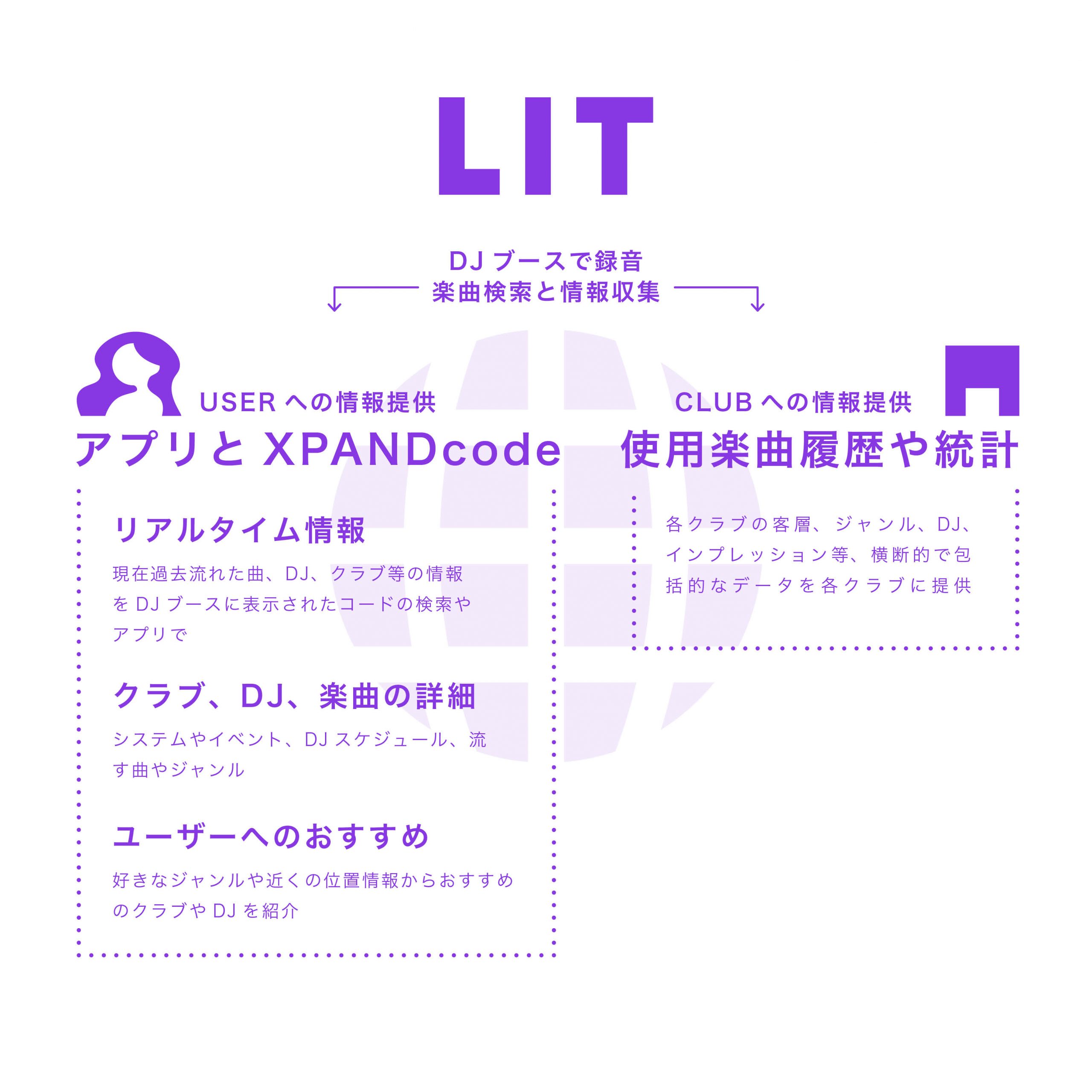
LIT is a club information service that addresses the lack of detailed information available online.
By scanning the XPAND Code on the DJ booth, you can find out about the tracks, the DJ, and the club.
Moeka ITO
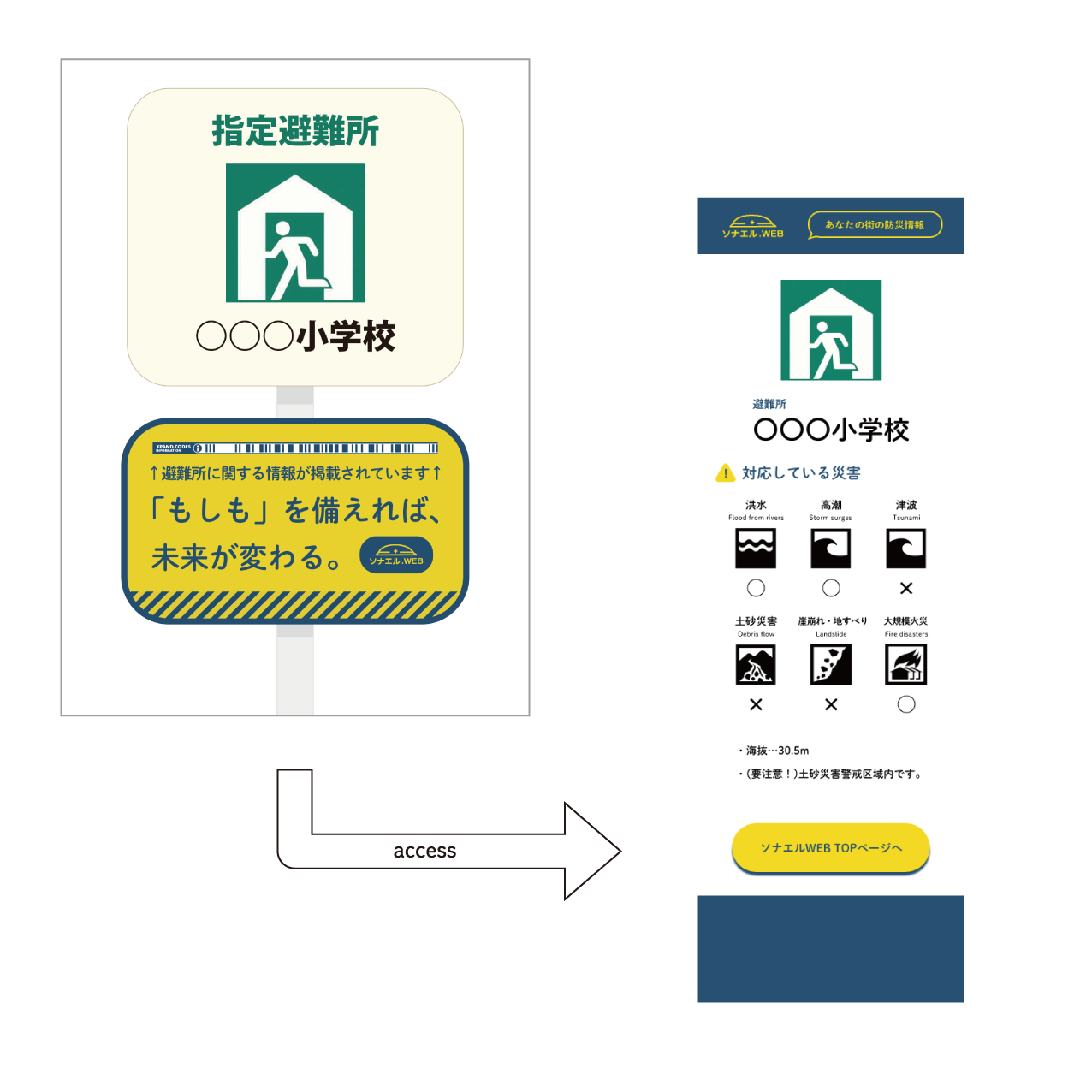
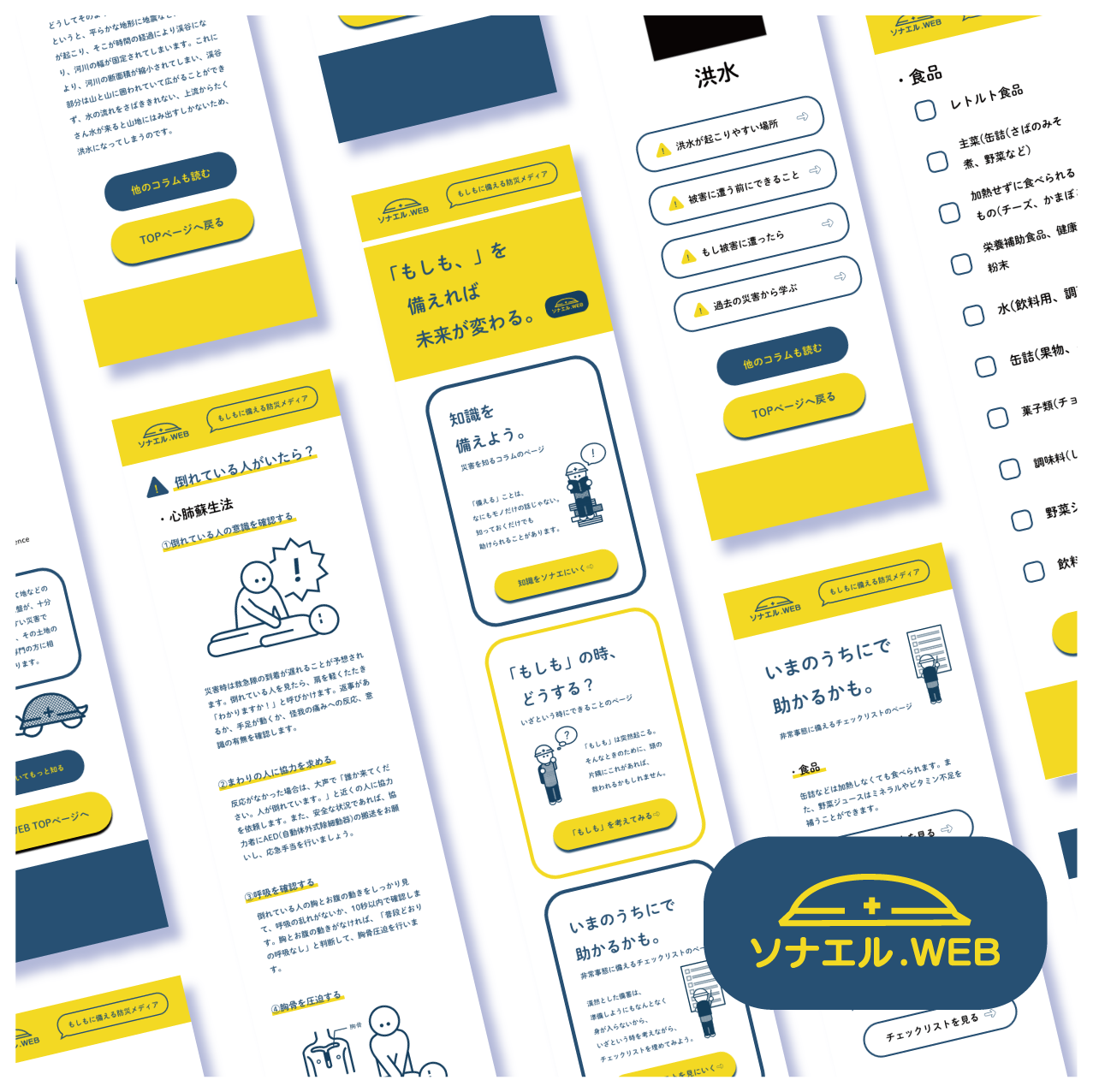
I propose “Sonael WEB”, a disaster prevention WEB media that can be accessed from disaster prevention signs in the city. Users can scan the code to get more information about the disaster prevention signs at that location. From there, you can access WEB media where you can learn more about disaster prevention.
Yu ITO
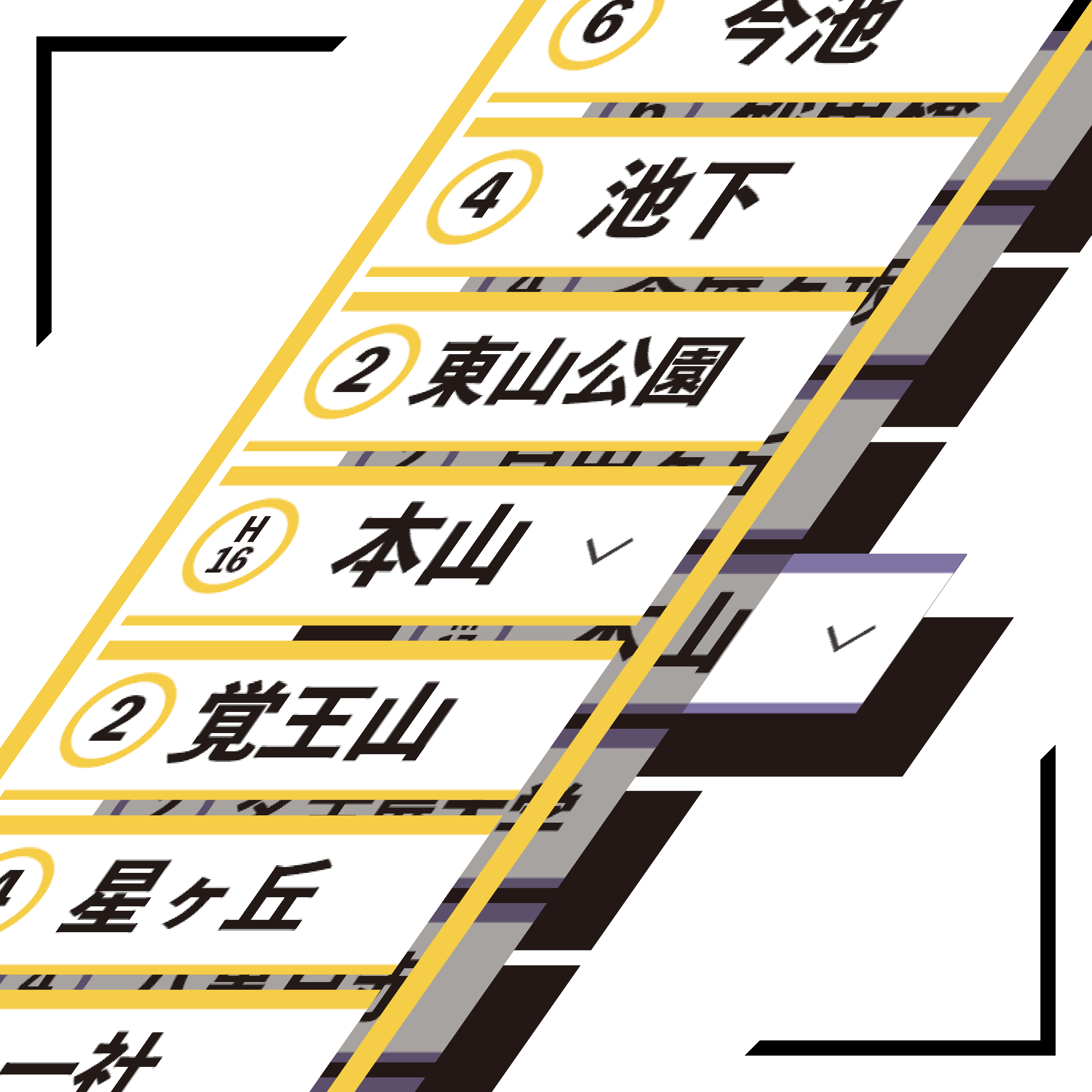
Scan the XPAND Code on the platform to view the route map for the line you wish to take. Swipe vertically to see how long the journey to your destination will take. Tap the triangular button for further information.
Yuuki ENDO
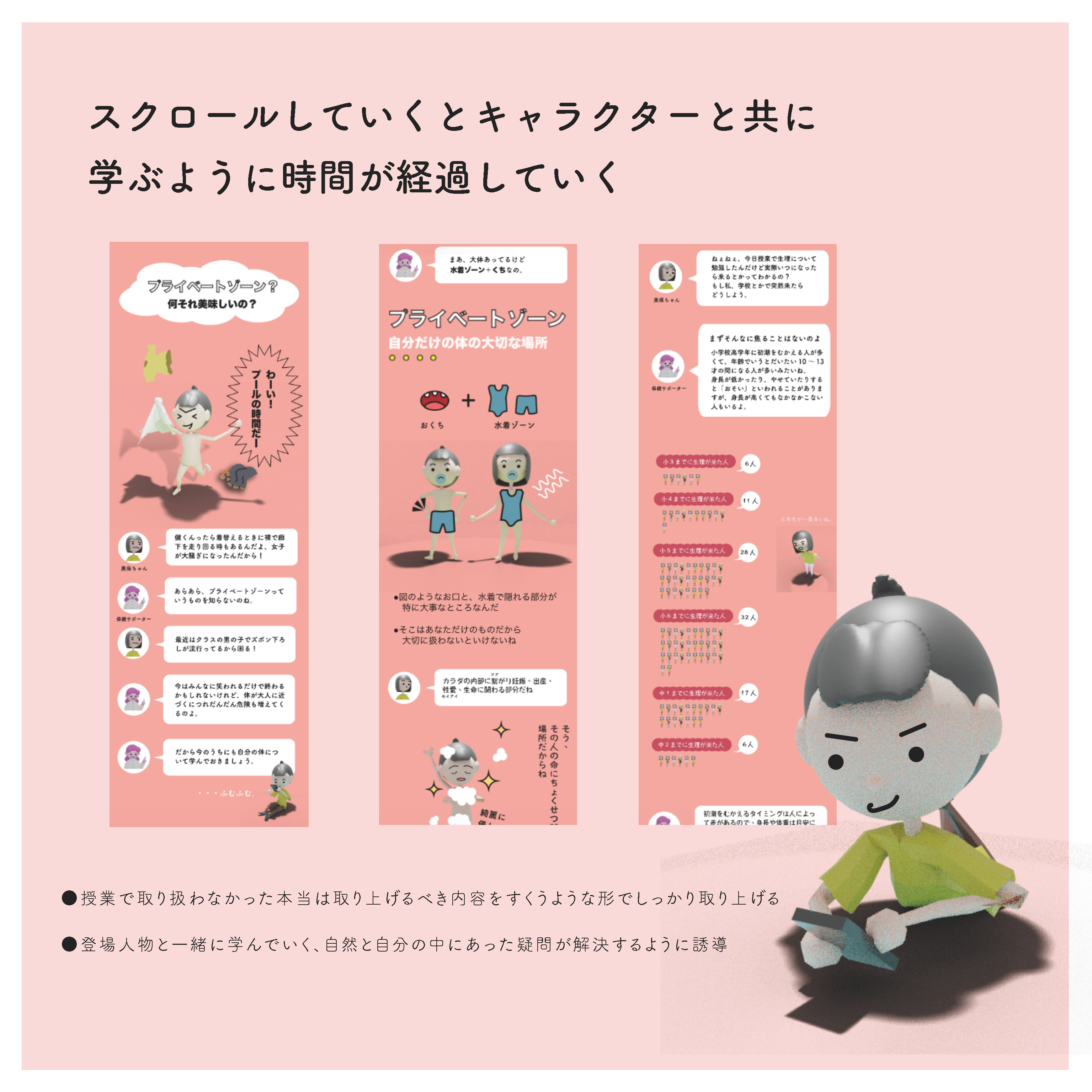
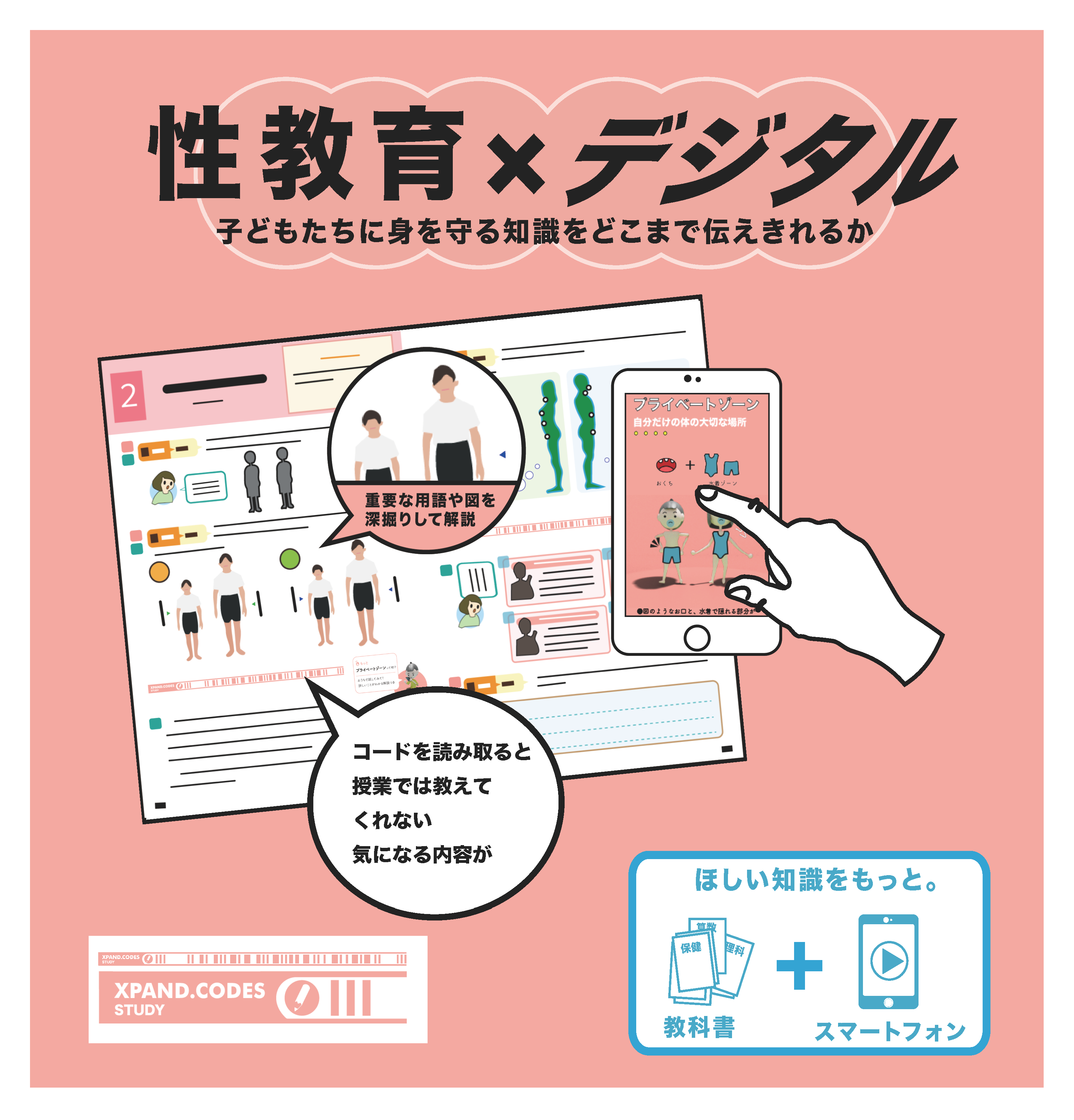
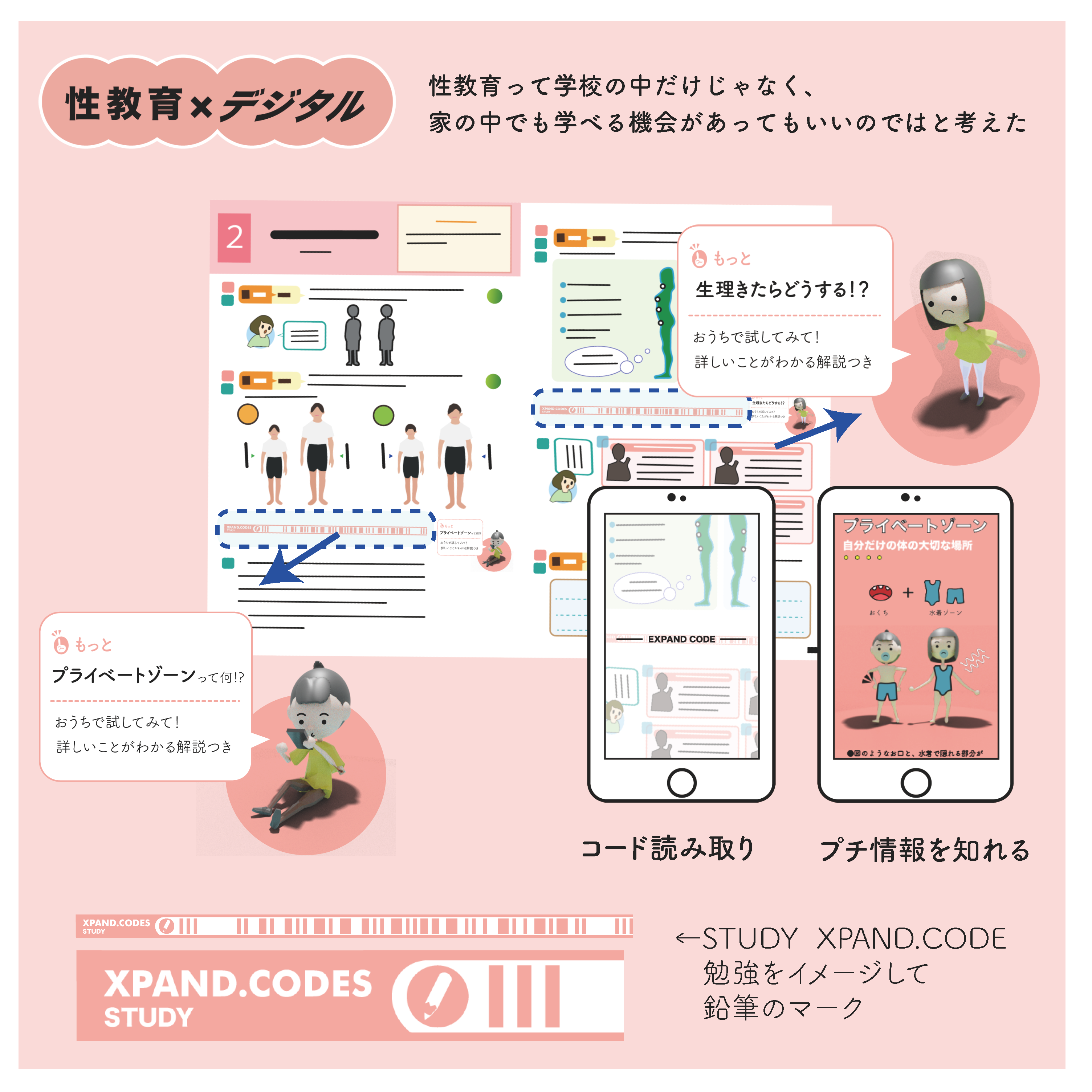
How do you make essential knowledge about physical safety reach children effectively?
This project proposes one means of tackling that challenge.
Sena OOISHI

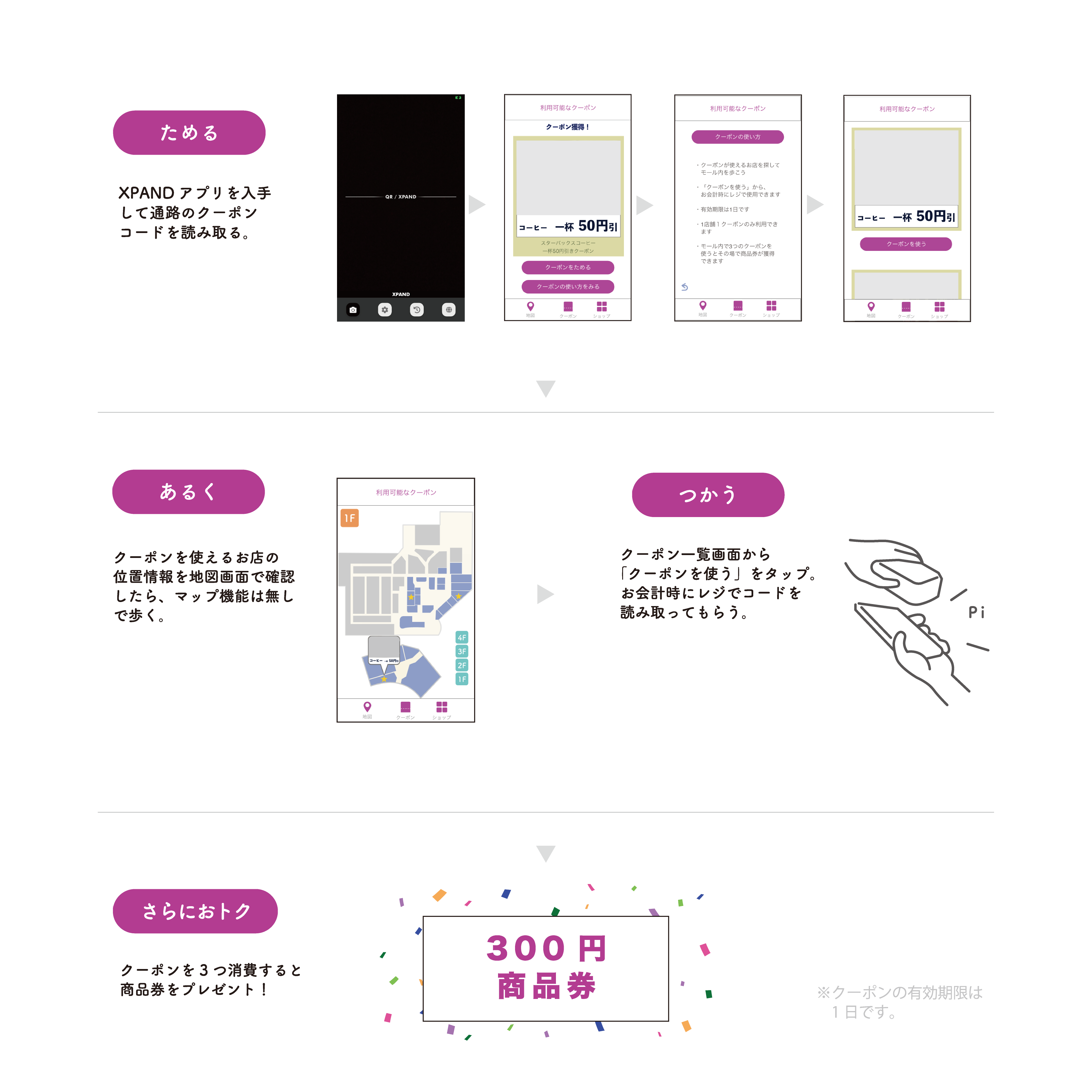
This project proposes a collaboration between XPAND Code and a shopping mall with a complex layout.
The target audience is frequent shoppers looking to make the most of their visit. The aims are to increase the shopping conversion rate within the mall and to raise awareness of XPAND Code.
Mai OKANO


By combining a curated selection of fashion brands with XPAND Code, this proposal creates a fashion show you can explore on foot.
The aim is to make high-end fashion — usually felt to be out of reach — feel accessible and enjoyable.
Kazuma TAKEI

Many kanji share the same parts. If you can see the connections among kanji, you can learn kanji more efficiently. And, I want you to discover the charm of kanji while taking a walk along the path of connection among kanji.
Mariko TSUKAHARA

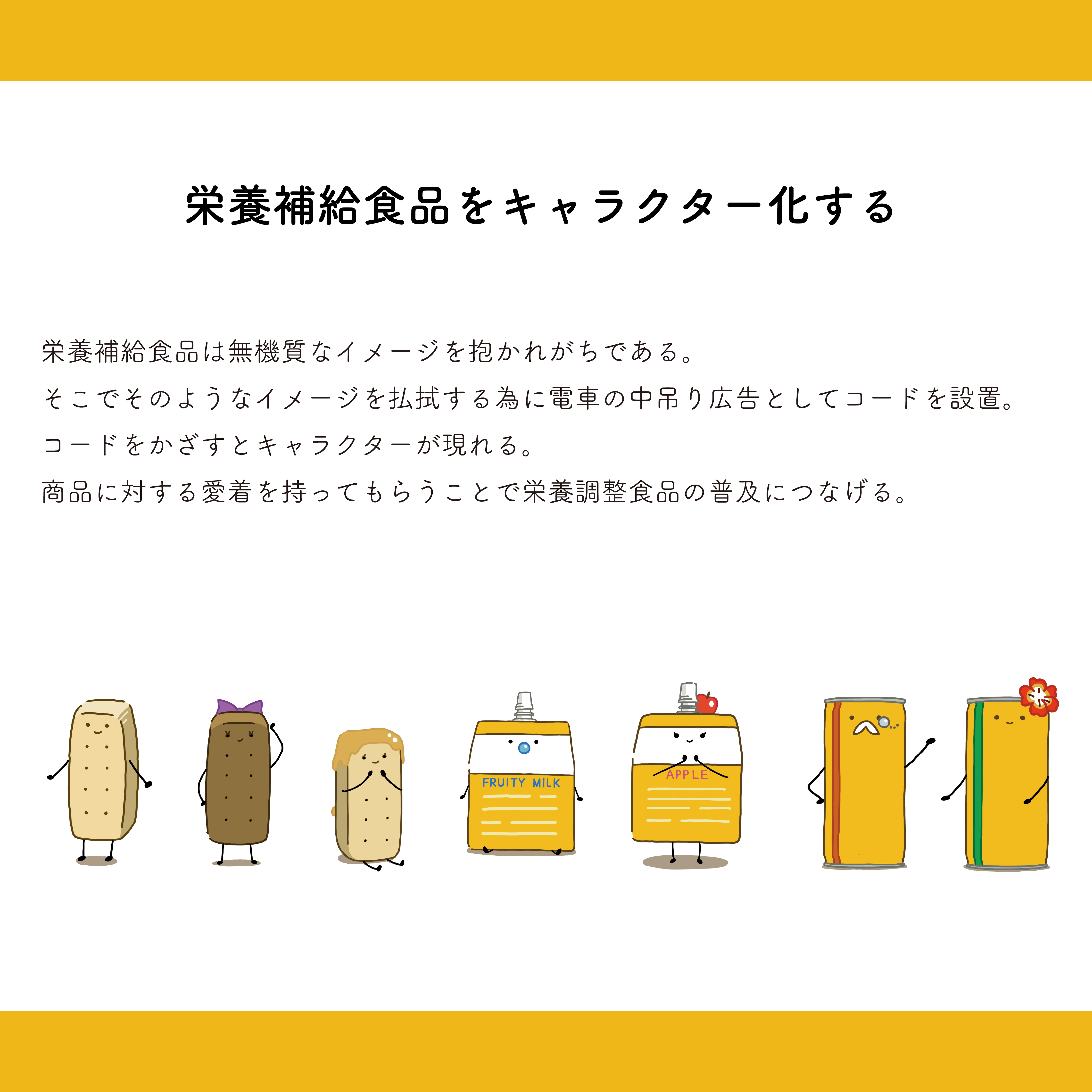
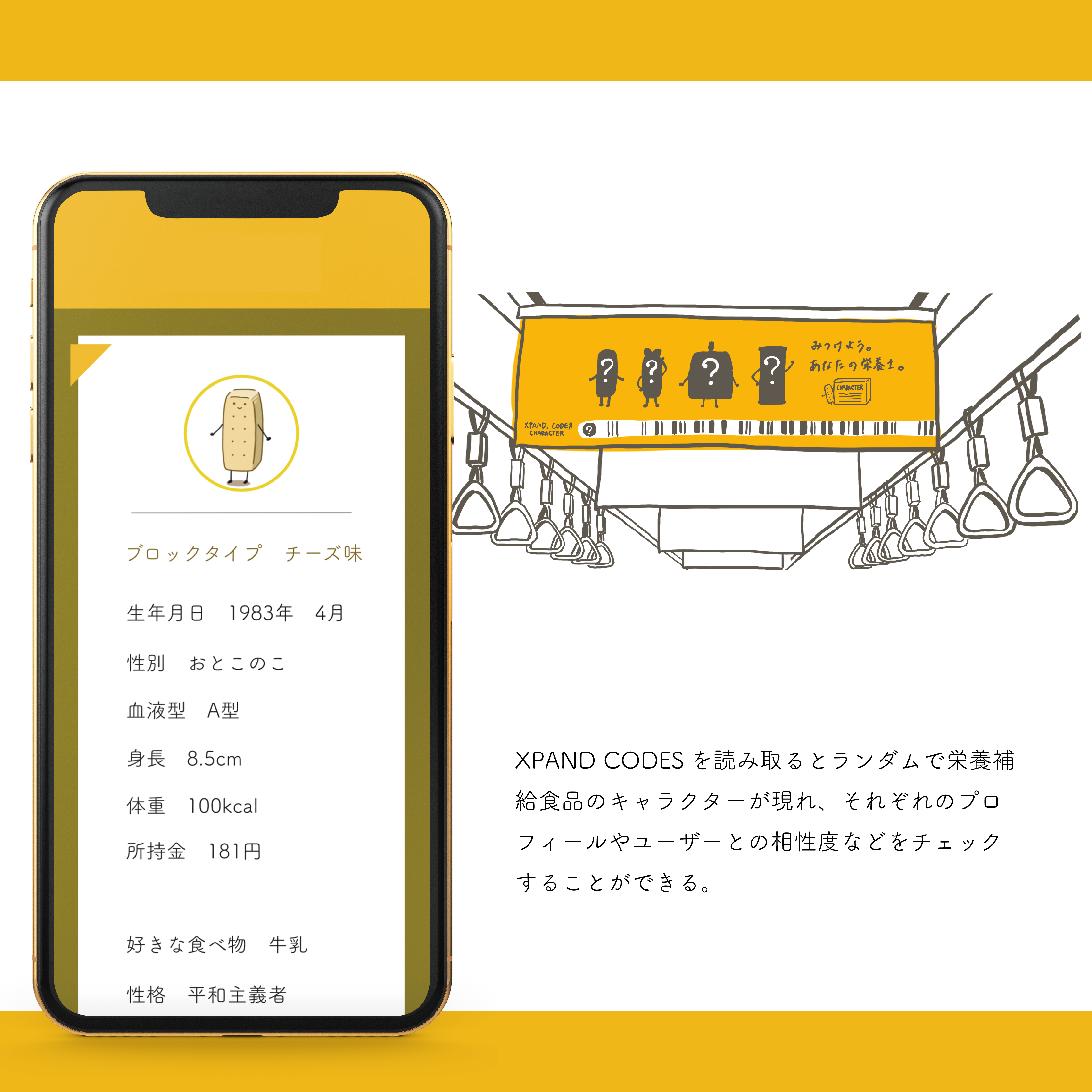
This code is used for characterizing merchandise to spread nutrient supplement foods.
Characterizing nutrient supplement foods that many people have a hard image allows us to become familiar with them. they are often sold on train platforms, so the code is put up as a hanging advertisement in the train.
Anna NOYA
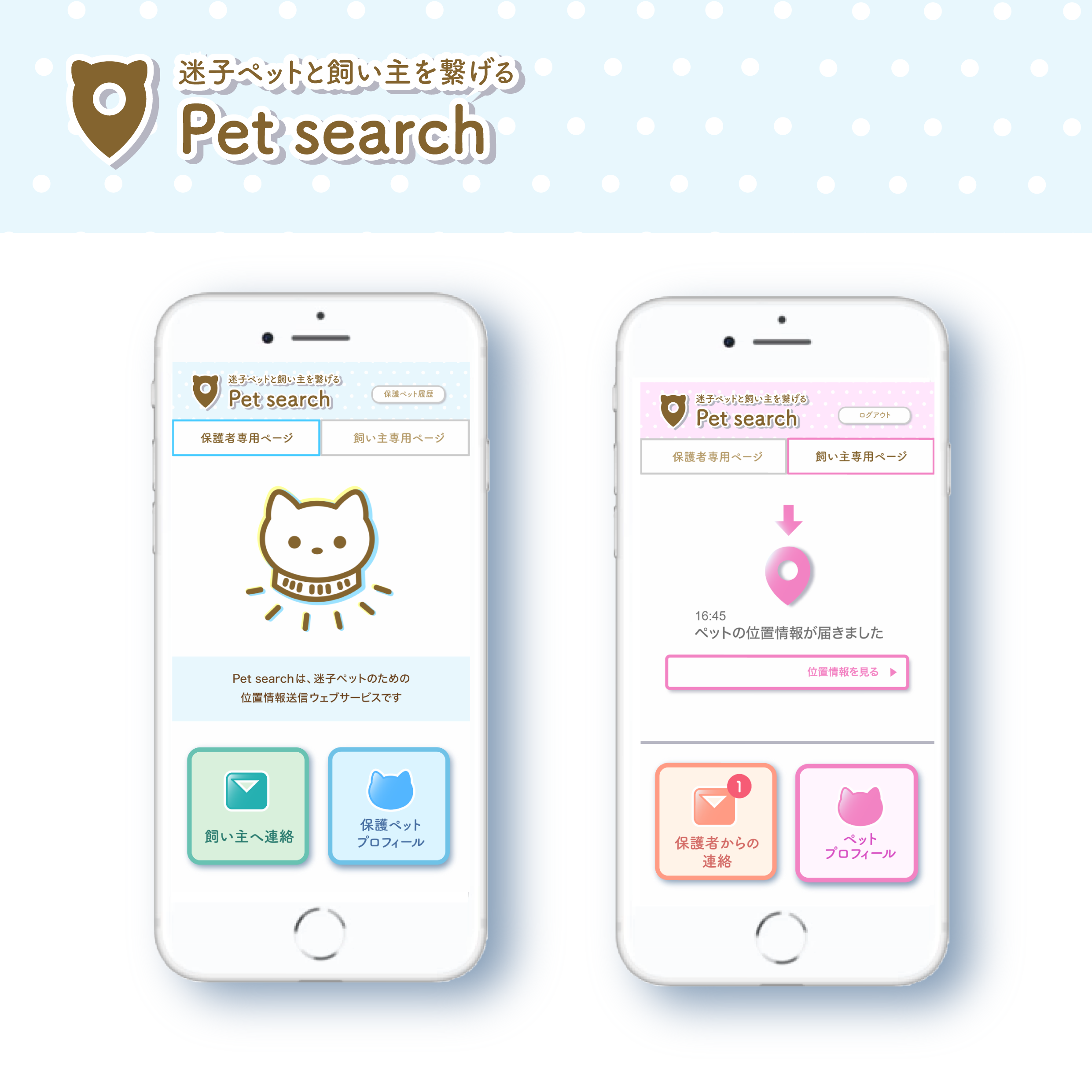
“Pet search” is a site for saving lost pets.
Placing an XPAND code on your pet’s collar allows the owner to stay in touch with the person who finds the lost pet.